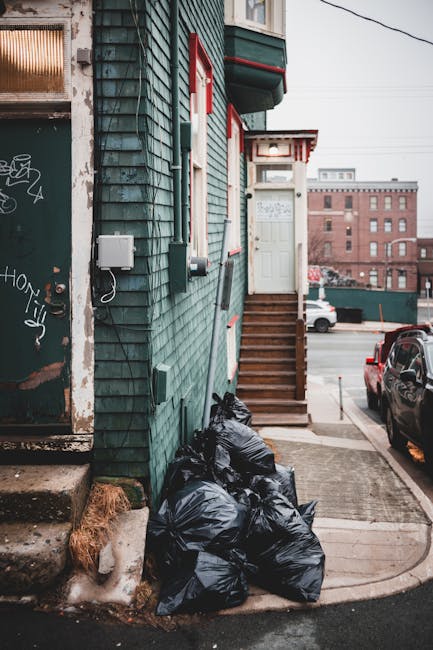
BR2 Bulky Rubbish Pickup Options on Shortlands High Street
If you live, work, or manage a property near Shortlands High Street, bulky waste can become a real nuisance fast. A sofa leaning in the hallway, a broken fridge in the kitchen corner, or a few heavy bits after a clear-out can turn a tidy space into a stressful one. This guide to BR2 bulky rubbish pickup options on Shortlands High Street explains the practical choices available, how they differ, and how to pick the one that makes sense for your situation.
We'll keep it simple, but not shallow. You'll find the main pickup methods, what to check before booking, how to avoid awkward access problems, and where specialist services fit in when the item is too awkward, too heavy, or simply too much. If you want a quick route to a cleaner property without the usual faff, you're in the right place.
Why BR2 bulky rubbish pickup options on Shortlands High Street Matters
Bulky rubbish is different from everyday bin waste. It tends to be larger, heavier, more awkward, and often harder to move without damaging walls, stairwells, lifts, or the item itself. On a busy street environment, that matters even more. Shortlands High Street has the kind of everyday access issues people know well: tight parking, timed visits, shared entrances, and the simple reality that not every property has much space to store waste before collection day.
That is why choosing the right pickup option matters. The wrong method can mean missed collections, surprise restrictions, or furniture that sits around for another week. The right method makes the process feel calm and ordered. You arrange it, prepare the items, and the clutter disappears. Simple, really. Well, simple once you know what to ask for.
It also matters because bulky waste often includes items that need careful handling. A mattress may be straightforward, but an appliance, wardrobe, or mixed household clearance can raise recycling, lifting, and sorting questions. If you are dealing with mixed items, you may find it helpful to explore waste removal alongside more focused services like furniture disposal or fridge and appliance removal.
In our experience, the biggest issue is not the rubbish itself. It is the timing. People leave it too late, then need a last-minute solution. That is where knowing your options saves a lot of hassle.
How BR2 bulky rubbish pickup options on Shortlands High Street Works
Most bulky rubbish pickup services follow a similar pattern, even if the details vary. You identify what needs removing, check access, ask for a quote or booking, and choose a collection time. The provider then arrives, loads the items, and removes them for sorting, reuse, recycling, or disposal depending on what can be recovered.
The process often starts with a quick list. What is it? How many items? Are they inside a flat, a house, a shop, or an office? Do they need carrying downstairs? Is there parking close by? These details may seem small, but they influence the vehicle choice, the crew size, and the time needed on site. A one-item pickup is very different from a full room clearance, even if both look like "just bulky waste" at first glance.
For example, a resident clearing a spare room on Shortlands High Street might only need a few items gone: an old bed frame, two chairs, and a sideboard. Someone else could have renovation offcuts, broken shelving, and packaging from a refit. Those jobs are not the same. If builders' debris is involved, a dedicated builders waste clearance service is usually the more sensible route.
In practical terms, pickup options usually fall into three broad categories:
- Single-item collection for one large object or appliance.
- Multi-item bulky waste removal for several mixed items.
- Room, flat, or property clearance where the volume is higher and sorting is needed.
That tiered approach helps you avoid paying for more than you need. It also keeps the job cleaner and quicker. No mystery, no drama.
Key Benefits and Practical Advantages
The biggest benefit is obvious: you get the space back. But there are a few other advantages that people often only notice once the job is done.
- Less lifting for you - bulky items can be awkward and, let's face it, a bit dangerous when carried alone.
- Better use of time - one scheduled pickup is easier than several tip runs or multiple attempts to get rid of items.
- Reduced disruption - a good collection team can work around stairwells, tight entrances, or shared access without turning the place upside down.
- Cleaner sorting - items can be separated for reuse, recycling, or disposal in a more organised way.
- More suitable for mixed loads - useful if your load includes things like furniture, appliances, or a few odd household bits.
There is also a practical comfort factor. A cluttered room can quietly weigh on you every time you walk past it. Removing bulky waste often changes the feel of a property more than people expect. One day it's a corridor full of "I'll deal with that later" items; the next it feels breathable again. Small win, but a real one.
If your bulky waste is part of a wider clear-out, services such as house clearance, flat clearance, garage clearance, or loft clearance may be more efficient than booking item-by-item pickup.
Who This Is For and When It Makes Sense
This kind of pickup is not just for big clear-outs. It suits a surprisingly wide range of everyday situations around Shortlands High Street and the wider BR2 area.
Typical users include:
- Homeowners replacing bulky household items.
- Tenants moving out and needing old furniture removed quickly.
- Landlords and letting agents dealing with left-behind items after a tenancy ends.
- Small businesses clearing old office furniture, storage items, or outdated equipment.
- Trades and refurb teams needing a clean-up after light building work or a fit-out.
It makes sense when the item is too awkward for a standard bin collection, too large for you to move safely, or too many pieces to justify doing it yourself. A bulky pickup can also be the best answer when access is a bit fiddly. Think narrow staircases, shared hallways, or no lift. That sort of thing is common enough, and it changes the job from "easy enough" to "please, just have someone else do this properly."
For furniture-heavy jobs, look at furniture clearance or mattress and sofa disposal. If the task is business-related, office clearance and business waste removal can be a better fit.
Step-by-Step Guidance
If you want the collection to run smoothly, a bit of prep goes a long way. Here is the simplest way to handle it.
- List everything that needs removing. Be specific. "Old wardrobe, broken desk, 2 chairs, 1 fridge" is much better than "a few bits".
- Check what cannot go. Some items need specialist handling, especially hazardous materials. If in doubt, separate them early and ask before booking.
- Measure the awkward pieces. You do not need engineering-grade precision, but rough dimensions help. A sofa that fits in a room does not always fit through the stairwell. Annoying, yes.
- Think about access. Note parking options, floor level, lift access, and whether items need to be carried through shared spaces.
- Choose the right service type. A single-item collection is not the same as a mixed bulky waste pickup or a full property clearance.
- Book a suitable time. Pick a slot when someone can let the team in and answer access questions if needed.
- Stage items safely. Move what you can to a clear area, but do not block exits or stack unstable loads.
- Keep paperwork or confirmation handy. It helps if you need to check what was agreed.
One small but useful tip: if there are items you want to keep, label them before the collection day. It sounds obvious, but during a busy move or clear-out, obvious things have a habit of disappearing into the general chaos. And then you're standing there at 7:45 in the morning wondering where the lamp went.
Expert Tips for Better Results
A smooth pickup is usually about preparation, not luck. A few experienced habits can save time and reduce cost.
- Group similar items together. Furniture, appliances, and general mixed waste are easier to assess when organised.
- Separate reusable items from waste. If something can be passed on, sold, or reused, keep it out of the waste pile.
- Be honest about volume. Underestimating the amount of rubbish can lead to delays or a second visit.
- Make access as easy as possible. A clear route from the item to the exit makes a bigger difference than most people expect.
- Ask about specialist handling before collection day. This matters for large appliances, heavy items, or anything that could be classed as hazardous.
Another small but important point: if you are clearing a property before sale or letting, a flexible service can be worth more than the cheapest headline price. Why? Because delays are expensive in their own way. A room that's ready today is worth more than a saving that costs you three extra days of stress.
For added confidence, review service standards and company information on pages like about us, insurance and safety, and health and safety policy.
Common Mistakes to Avoid
Most problems with bulky rubbish collections are preventable. The issue is usually one of three things: poor preparation, wrong assumptions, or waiting too long.
- Booking the wrong type of collection. A single-item service may not suit a mixed load.
- Leaving items in hard-to-reach places. If the crew has to spend extra time lifting through a tricky route, the job becomes slower and more awkward.
- Not checking item restrictions. Some items need special handling and should never be lumped in with normal furniture.
- Forgetting to mention stairs, lifts, or parking limits. This is a classic one. It seems minor until the crew arrives and has to improvise.
- Mixing different waste streams together. Clean furniture, general household rubbish, and construction offcuts are best assessed separately.
One more: do not assume everything can go in a skip or everything should be collected the same way. To understand mixed loads better, it helps to look at what can go in a skip. That does not replace tailored collection advice, but it does help you think more clearly about what you have.
Truth be told, a lot of "collection problems" are just communication problems. Say exactly what is there, and the job usually gets much easier.
Tools, Resources and Recommendations
You do not need specialised equipment to arrange a bulky pickup, but a few simple tools help.
- Tape measure for doorways, lifts, and large items.
- Notebook or phone notes for listing items clearly.
- Photos of the items and access route if you need to describe the job quickly.
- Labels or tape to mark keep, remove, and donate items.
- Clear path to the exit so the team can move safely and efficiently.
When considering a provider, it is worth checking the practical pages first. pricing and quotes can help you understand how the job may be assessed, while recycling and sustainability gives a clearer picture of what happens after collection. If payment matters to you, payment and security is useful reassurance.
If you are dealing with sensitive documents or business archives at the same time, confidential shredding can be a sensible add-on. Different job, same need for proper handling.
Law, Compliance, Standards, or Best Practice
For bulky rubbish pickup in the UK, the safest approach is to use a provider that handles waste responsibly and can explain how different items are sorted. You do not need to become a compliance expert yourself, but you should expect clear answers on what can be taken, what needs special treatment, and how waste is managed after collection.
As a general best practice, keep hazardous or unusual items separate until you have checked whether they need specialist disposal. That includes anything that could leak, burn, or create a risk during transport. If you are unsure, ask before placing it with the rest of the load. That is not being fussy; it is being sensible.
For appliance-related collections, take extra care with fridges, freezers, or similar items, as they are often handled differently from ordinary furniture. The same goes for anything that may contain sharp edges, gas, chemicals, or residues. In a home or business setting, safety should come first, always.
It is also wise to use a service with clear policies on safety, handling, and business conduct. If you want to understand how a provider approaches these areas, browse terms and conditions and the relevant policy pages. Plain English, ideally. Nobody wants a legal treasure hunt just to book a collection.
Options, Methods, or Comparison Table
Choosing the best pickup method depends on what you are removing, how much there is, and how quickly you need it gone. The table below gives a practical comparison.
| Option | Best for | Strengths | Watch-outs |
|---|---|---|---|
| Single-item bulky pickup | One sofa, mattress, appliance, or wardrobe | Simple, fast, often the easiest to organise | Not ideal if you have several items or mixed waste |
| Mixed bulky waste collection | Several large items from a room or flat | Flexible and efficient for household clear-outs | Needs a clear description of what is included |
| Flat or house clearance | Whole rooms, move-outs, end-of-tenancy clearances | Best for larger jobs and multiple item types | May be more than you need for just one item |
| Specialist service for appliances or furniture | Fridges, mattresses, sofas, awkward furniture | Better suited to item-specific handling | May not cover general rubbish at the same time |
The key is not choosing the "best" option in theory. It is choosing the one that fits the actual job. A small mistake there can turn a straightforward pickup into a lot of unnecessary back and forth.
Case Study or Real-World Example
Picture a first-floor flat near Shortlands High Street. The resident is moving and has three main items to remove: a tired sofa, a broken chest of drawers, and an old fridge. There is a narrow stairwell, no lift, and parking outside is limited to a short loading space that fills quickly. Nothing dramatic. Just the sort of setup that quietly makes a simple job more complicated.
The best approach here is not to treat everything the same. The sofa and drawers can go as furniture, while the fridge should be handled as an appliance. The resident checks access in advance, takes a quick photo of the stairwell, and makes sure the hallway is clear before collection time. That means the crew can come in, assess the route, and get on with the job without wasting anyone's time.
What made the biggest difference? Two things, really. First, accurate information. Second, clearing the path before the team arrived. The collection itself was uneventful, which is exactly what you want. No fuss, no reshuffling, no "actually, can you move that table first?" moments. And honestly, that's the dream.
For a similar project, a reader might combine furniture clearance with fridge and appliance removal rather than booking a generic waste pickup and hoping for the best.
Practical Checklist
Use this quick checklist before your pickup day.
- Confirm exactly what needs removing.
- Separate reusable items from waste.
- Check whether any item needs specialist handling.
- Measure large items and awkward doorways.
- Note stairs, lifts, parking, and access restrictions.
- Clear the route to the items where possible.
- Make sure someone is available to answer access questions.
- Keep valuables and keep-items out of the removal area.
- Review any booking details or service terms.
- Have a backup plan in case access changes at short notice.
If the job is part of a larger clear-out, it may also help to plan related spaces at the same time. A home clearance or garage clearance often goes more smoothly when you think room by room rather than item by item.
Conclusion
BR2 bulky rubbish pickup options on Shortlands High Street are easiest to manage when you match the collection method to the job in front of you. One item, several items, or a full property clear-out all need slightly different thinking. Once you understand that, the whole thing gets much less stressful.
The best results usually come from clear communication, sensible preparation, and choosing a service that fits access, item type, and timing. That is the heart of it. Not glamorous, but very effective.
If you are ready to clear space, reduce clutter, and get the heavy lifting sorted properly, a well-planned pickup can make a noticeable difference to your day, your property, and your peace of mind.
Get a free quote today and see how much you can save.
Frequently Asked Questions
What counts as bulky rubbish on Shortlands High Street?
Bulky rubbish usually means items too large or awkward for normal household bin collection. Common examples include sofas, wardrobes, mattresses, tables, appliances, and mixed household items that need lifting and transport.
Can I book one pickup for mixed bulky items?
Yes, in many cases you can. A mixed pickup is often the best option when you have several large items from the same property. Just be clear about what is included so the provider can plan properly.
Is it better to use a bulky pickup or a skip?
It depends on the waste and the access. A pickup is often better for large items, furniture, or awkward loads. A skip may suit ongoing DIY waste, but you should compare the load type and space available before deciding.
What should I do with a fridge or freezer?
Fridges and freezers usually need specialist handling because they are appliances, not ordinary furniture. Keep them separate when booking and mention them clearly so they can be collected appropriately.
How do I prepare a flat for bulky rubbish collection?
Clear a safe path, separate items to be removed, check access, and remove anything you want to keep. If the property has stairs or shared hallways, mention that in advance so the team arrives prepared.
Can bulky rubbish be collected from an upper floor?
Yes, often it can. Many collections are from flats or upper floors. The important part is telling the provider about stairs, lifts, and any tight corners so the crew can plan the lift safely.
What if my items include broken furniture and general rubbish together?
That is common enough. Mixed loads can usually be handled, but the exact service type matters. A furniture-focused job may suit clean bulky pieces, while a broader waste removal service may fit better if the load is more varied.
Do I need to be at the property during collection?
Usually yes, or at least someone should be available if access is needed. That makes it easier to confirm what is going and to deal with any unexpected access issues on the day.
How far in advance should I arrange a bulky pickup?
As soon as you know you need it is best. If you wait until the last minute, you may have fewer time slots and less flexibility. For move-outs or end-of-tenancy clearances, earlier is always calmer.
Can bulky pickup help with a whole property clear-out?
Absolutely. If you have several rooms to clear, a full service such as house clearance, flat clearance, or home clearance may be more efficient than arranging one-off removals.
What happens to the items after collection?
That depends on the condition and type of item. Some things can be reused or recycled, while others need disposal. A responsible provider should be able to explain how different waste streams are handled.
Are there items that need special care or cannot go with normal bulky waste?
Yes. Items that may be hazardous, leak, or need specialist treatment should be kept separate until checked. If you are unsure, ask before collection rather than assuming it is all one category. That small step can prevent a lot of trouble later.
For more on service standards and how collections are handled, you may also want to review insurance and safety and recycling and sustainability.