Health and Safety Policy — Flat Clearance Shortlands
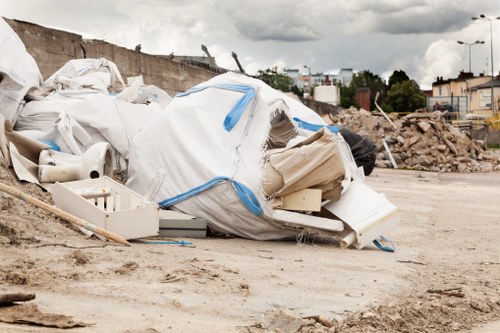 This Health and Safety Policy outlines the commitment of Flat Clearance Shortlands to provide a safe working environment for staff, contractors and clients involved in flat clearance and rubbish removal activities. The policy applies to all waste clearance operations, including bulky item removal, asbestos awareness precautions, and general household waste handling. Our aim is to embed a robust safety culture so that every rubbish clearance project is planned, executed and reviewed with risk control at its centre. Employees are expected to act with due care while the management will ensure appropriate resources and training are provided.
Scope and objectives
The policy covers all aspects of a flat clearance service, from initial site assessment and waste segregation through transport and disposal at licensed facilities. It sets clear objectives: to prevent accidents and injuries, to reduce environmental harm from improper waste handling, and to comply with relevant health and safety standards. By emphasising safe systems of work, the rubbish company commits to continual improvement through monitoring, incident reporting and regular audits. Everyone engaged in removal tasks must follow safe working procedures and report any hazards they encounter.
 To achieve these objectives the policy identifies responsibilities at every level, including senior management, supervisors and operative teams. Senior management must: allocate sufficient resources, appoint competent supervisors and ensure training programs are current. Supervisors must implement control measures on-site and maintain communication with teams about risks such as manual handling, sharps, chemical residues and unstable furniture. Operatives must wear required PPE, follow lifting protocols and use equipment for rubbish clearance correctly. The policy emphasises teamwork, correct manual handling techniques and adherence to exclusion zones when large items are moved.
Risk assessment is central to safe waste removal and flat clearance operations. Prior to any job, a documented assessment identifies hazards — including trip risks, slips, biological contamination, electrical hazards from appliances and potential hazardous materials. Controls are selected based on the principle of hierarchy: elimination, substitution, engineering controls, safe systems of work and PPE as a last resort. Assessments are reviewed when conditions change on site, and mitigation measures are recorded. Clear, documented risk assessments support safe decisions about vehicle access, lift usage and whether specialist waste handlers are required.
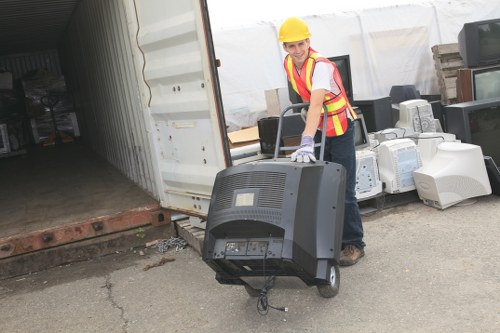
 Training and competence form a core element of the policy. All staff engaged in rubbish clearance receive induction training, regular refreshers in manual handling and task-specific instruction for machinery and dollies. Training covers the correct use of gloves, hi-visibility wear, protective footwear and face protection where dust or mould is present. Contractors and temporary staff must demonstrate relevant competence before undertaking clearance tasks, and training records are maintained. The company promotes a learning culture where near misses and incidents are reviewed to prevent recurrence.
Emergency procedures are set out to ensure rapid, coordinated responses to incidents. First aid provision, access routes for emergency services and clear reporting lines are specified in site-specific plans. In the event of a significant spill, contamination or injury, operations are paused until the scene is made safe and an investigation conducted. Fire risks associated with waste, such as spontaneous combustion in bulked materials, are addressed through housekeeping, correct storage and vehicle checks. The rubbish removal team is instructed to prioritise personal safety and isolate hazards where necessary.
Operational controls and environmental protection
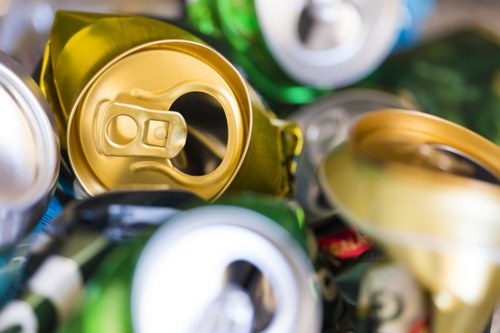
 Operational arrangements include vehicle safety checks, secure loading practices and safe stacking inside properties during flat clearance. Waste segregation supports recycling and reduces landfill. Where items may contain hazardous components (batteries, solvents, asbestos-containing materials), specialist removal protocols are enforced and disposal follows authorised routes. The company monitors its environmental impacts and integrates them into the safety management process. Clear labelling and documentation accompany loads to ensure lawful and safe disposal at licensed facilities.
 Monitoring, review and continual improvement underpin the policy. Incident logs, toolbox talks and regular site inspections ensure that lessons are captured and applied. The company conducts periodic reviews of equipment, PPE standards and vehicle safety to drive improvements in the rubbish clearance service. Health surveillance is provided where tasks expose staff to specific risks. Management reviews the policy annually or more frequently if operational changes or legal updates occur.
Key elements of responsibility are summarised here as actions for staff and supervisors:
- Carry out pre-job risk assessments and follow control measures;
- Use appropriate PPE and tools for safe waste handling;
- Report hazards, near misses and incidents promptly;
- Maintain vehicle and equipment safety checks;
- Ensure waste segregation and lawful disposal procedures are followed.